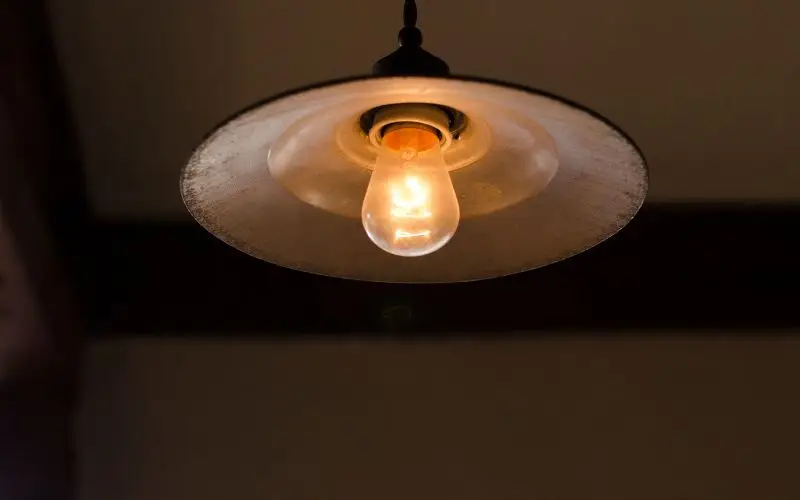
Though varying by degree, all flashing lights can irritate and cause alarm regarding the safety of your residence. An intermittently flashing light can indicate a minor issue, though it can also be a sign of a much larger concern. Every home experiences light flicker phenomena. Some of the causes of light flickering can be an old, stiff light switch, a light bulb that is loose, or an issue with the power supplied. Thankfully, the reasons for light flickering are sometimes simple to diagnose.
We appreciate the stress that a flickering light can cause our customers. Our electricians perform an evaluation of the reason a light is flickering before taking any corrective measures. In this document, we hope to describe the most popular reasons for light flickering. We hope to provide our audience with a baseline understanding of these issues.
Why Do My Lights Flicker?
A flickering light occurs when the power to that light is inconsistent. A rapidly flickering light can also be a light that is dim and fluctuates. In some cases, the flicker can be intermittent. If a light is flickering, it is likely due to a bulb that is fitted incorrectly. The issue could be a wiring or power system issue, which is potentially more dangerous. It is important to practice caution when working with electricity. One flicker in a single room isn’t the same as several in the whole house. In general, problems are easier to find in the location where the symptom also occurs.
Loose Light Bulb or Poor Quality Bulb
Flickering lights can have numerous causes, but a bulb that is loose or poor quality is a very common cause. If the bulb is not fully inserted in the socket, it is possible that the power does not reach the bulb in a steady manner.
It usually helps to shut off the light and let the bulb cool. It is then necessary to tighten the bulb. Always make sure not to fully insert the bulb, as pressure can break the bulb or the socket.
An old and poor-quality bulb can flicker as well. Weak bulbs will begin to flicker over the course of their lifespan.If the bulb is old and flickering occurs, replacing the bulb should fix the issue. If the bulb does not flicker after replacing it, it is safe to assume that the old bulb was the cause of the problem.
Issues with LED Lights
Although LED lights are very popular because they are energy efficient and last for a very long time, there can also be issues with LED lighting that flickers. If incompatible switching and/or fittings are used, LED lights can start to flicker.
For example, an LED bulb can flicker when it is used with an old dimmer switch. The switching mechanism can be completely different from the bulb.Completely replacing the dimmer switch or the LED bulb can resolve the issue. Ensure all the necessary equipment is fully compatible prior to replacing the parts. Most people assume the wiring needs to be redone, but it usually just entails replacing a bulb or switch.This is a safety hazard, and you should not delay replacing your wiring. It is recommended that professionals replace your wiring. We take your home’s safety very seriously at All Spark Solutions Ltd, and we make sure we get to the source of the problem and make the necessary repairs.
Flickering Lights Because of a Faulty Light Switch
A light switch that begins to flicker can also be a sign of a faulty light switch. Some signs are loose connections, warm light switches, and switches that begin to make unusual sounds.Over the years, it is commonplace for light switches to wear out. The internal workings begin to lose their reliability and can become stuck, causing them to malfunction.Swapping out a light switch is an easy enough job, but you still need to be careful when working with any electrical component. Calling a licensed electrician is the recommended route should you want someone else to do it for you.
Flickering Lights Power-Related Issue
It’s possible that the problem causing your lights to flicker is the power supply, but there are some more noticeable indicators. For one, lights can become either extremely dim or extremely bright. Additionally, power issues can cause other devices to stop functioning.
This is an issue that requires a great deal of attention, as it could very well be affecting some other systems in your home.Your best bet will probably be to call an electrician if you’re seeing this kind of behavior.
Overloaded Circuits
The many appliances used in a given household can include numerous items. These can include traditional items found in the kitchen, along with items found in other rooms, that can include entertainment and computing devices.
There are many items that can be in use at the same time and can create a problem if pulling too much current. A sudden switch of a large load can cause lights to flicker.For example, whenever you turn on the microwave, the light in your kitchen may flicker. This can also happen when too much current is used to power a single circuit.Rely on a professional to make the call. They can better determine what has to be done.
How to Safely Check Flickering Lights
There are a few simple checks you can do before calling for service.These start with ensuring the light bulb is firmly inserted into the socket and also checking if the light bulb is burnt out. After checking and replacing as necessary, you can see if swapping the bulb resolved your issue.Check if your issue is widespread or whether it is isolated to a single light. There may be more to it. Is the switch buzzy and hot? Does it feel as if a fire will quickly start?It’s best to stop using the light in such a situation and call an electrician to inspect and do the required work.
When should you call an Electrician?
Common causes of flickering lights are not always easy to fix. You may need to call an Electrician.You definitely need to call an Electrician if the flickering persists or affects multiple lights.Electricians have an eye for potential issues that may not be obvious. They can look at your wiring and other allied components of your electrical system that you should not attempt to service as a non-electrician.At All Spark Solutions Ltd, safety is our priority during the electrical services we provide for our residential and commercial clients.
Frequently Asked Questions
What could be causing my light to flicker?
A number of issues could cause flickering lights—for example, loose bulbs, old bulbs, or bad wiring. There are also issues with bad switches.
Could a flickering light be hazardous?
Sure. Flickering lights should be checked by a professional if they begin to occur on a consistent basis.
How would I go about fixing a flickering light?
You can check to see if the light bulb is safe by firmly securing the light bulb and replacing the light bulb. However, if there are issues with the wiring, this would be better handled by a professional.
Why are my LED lights flickering?
Switching to compatible bulbs can prevent LED lights from flickering.
Why do my lights flicker when I turn on my appliances?
When using large appliances, other lights may flicker because the large appliance is using too much power.
Should I call an electrician about my flickering lights?
Yes. Flickering lights may seem like a small problem, but if there are other issues, gray areas, or concerns, it is better to be safe than sorry and call an electrician.
Conclusion
A light that is flickering may be caused by an issue as common as a loose light bulb or an old light bulb. It may also be caused by issues with the wiring or faulty power supplies.The first steps you should take are quick checks. Check the light bulb by replacing it with a new bulb. Check and make sure the light bulb is securely fastened. If the problem persists, call a professional.Never take flickering lights for granted. Take all safety precautions and check light switches.Looking for professional help with flickering light bulbs or other electrical problems? Look no further, because All Spark Solutions Ltd is here to help!