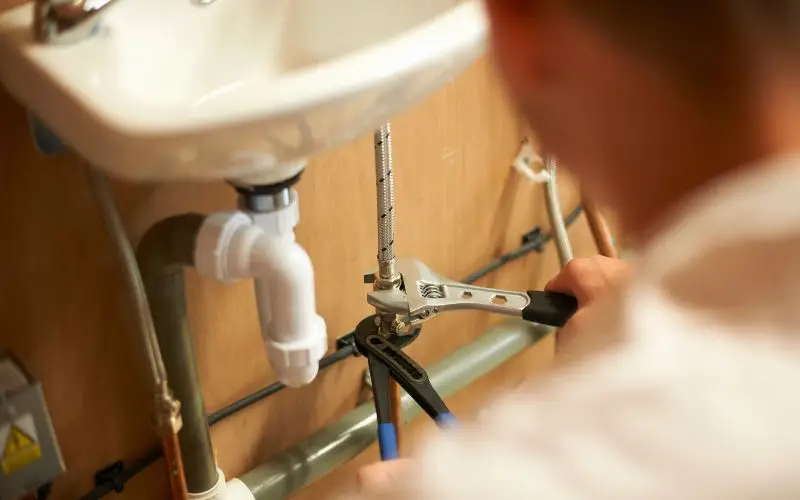
Good plumbing system maintenance can save you time, stress, and money. Many plumbing problems start small. A slow drip can turn into a leak, and a blocked drain can become a much bigger problem. A small pipe issue can also damage walls, floors, and furniture if you leave it for too long.The good news is that many common plumbing problems can be found early. You do not need to be a plumber to keep an eye on your home. UK homes deal with cold weather, hard water, old pipes, and daily use. All of these things can affect your plumbing. A few simple checks can help keep your water system in good shape and can also help you know when it is time to call a plumber.
Check Your Home for Small Leaks
Small leaks are easy to miss. They may start under a sink, behind a toilet, or near a washing machine. Look under sinks from time to time and check the floor around your toilet. You should also look behind large items if you can do so safely.You may see drops of water, wet marks, or a musty smell. You may also see paint starting to peel or a dark mark on a wall. A small leak may not seem serious at first, but water can slowly damage wood, walls, and floors. Fixing a small leak early is often much easier than dealing with water damage later.
Watch Your Water Bill
A higher water bill can sometimes point to a hidden leak. Your bill may change if you use more water than normal, but a large rise with no clear reason is worth checking.A toilet that keeps running can waste a lot of water. A hidden pipe leak can do the same. Check taps, toilets, and visible pipes first. If you cannot find the cause, a plumber may be able to test the system and find the leak. Keeping an eye on your bill is a simple part of good plumbing system maintenance.
Do Not Ignore Dripping Taps
A dripping tap can be annoying, but it can also waste water over time. Many people leave a dripping tap for weeks because it does not look like a big problem. However, the issue may slowly get worse.The cause may be a worn part inside the tap. In some cases, the tap may only need a small repair. You should also look around the base of the tap. Water around the base can point to another leak. Fixing the problem early can help stop a small fault from becoming a bigger one.
Keep Your Drains Clear
Blocked drains are one of the most common plumbing problems in UK homes. Kitchen sinks can become blocked by fat, oil, and small bits of food. Bathroom drains often collect hair, soap, and dirt.Try not to pour cooking oil or fat down the sink. Let it cool and place it in the bin instead. You can also use a sink strainer to catch food. In the bathroom, remove hair from the drain before it builds up.If water starts to drain slowly, act early. A slow drain is often the first sign of a blockage. Waiting too long can make the blockage harder to clear and may cause bad smells or standing water.
Be Careful What You Flush
Your toilet is made to deal with waste and toilet paper. Other items can cause a blockage. Wet wipes are a common problem. Even some wipes that say they can be flushed may not break down as fast as toilet paper.Cotton pads, nappies, paper towels, and other items should always go in the bin. Too much toilet paper at once can also cause trouble. If your toilet starts to drain slowly or the water rises after you flush, stop using it until you know what is wrong. A blocked toilet can overflow very quickly.
Protect Pipes During Cold Weather
Cold weather can cause pipes to freeze. When water freezes, it gets bigger and puts pressure on the pipe. This can cause the pipe to crack or burst.Pipes in lofts, garages, sheds, and outdoor areas are often at greater risk. Pipe covers can help protect them in winter. You should also keep your home warm enough during very cold weather, even if you are away for a few days.Check outdoor taps before winter as well. A burst pipe can release a large amount of water in a short time. Simple winter care can help lower this risk.
Know Where Your Stop Tap Is
Every homeowner should know how to turn off the main water supply. This can make a big difference during a leak or burst pipe.The main stop tap is often under the kitchen sink, but it can also be in another part of the home. Find it before you have a problem and make sure you know how it works.A stop tap that has not moved for years may become stiff. Do not force it if it will not turn. If a pipe bursts, turning off the water quickly can help limit damage while you wait for a plumber.
Check Your Toilet for Problems
Toilets can develop small faults that are easy to miss. Listen after you flush. The toilet should fill and then become quiet. If you keep hearing water, it may be running into the bowl.You can also look inside the bowl. Water should not keep moving when the toilet is not being used. A running toilet can waste water and may raise your bill.You should also check around the bottom of the toilet. Water on the floor can come from a loose part or a bad seal. Do not ignore water around the toilet base, even if it only appears now and then.
Look After Your Boiler and Hot Water
Your boiler is linked to your home water system, so problems with hot water can affect daily life very quickly. Watch for changes in water heat. You may notice that the water takes longer to warm up or does not stay hot.You may also hear new sounds from the boiler. Do not try to repair a gas boiler yourself. Use a trained person who is allowed to work on gas systems.Regular checks can help keep your heating and hot water working well. They can also help find small problems before they become more costly.
Watch for Low Water Pressure
Low water pressure can make showers and taps hard to use. Sometimes the cause is simple, such as dirt in a tap part. However, a sudden drop in pressure can also point to a leak or another plumbing issue.Check whether the problem affects one tap or the whole home. If only one tap has low pressure, the issue may be in that area. If the whole home has low pressure, the cause may need a closer look.A plumber can help find the source if the problem does not go away.
Check Washing Machine and Dishwasher Hoses
Washing machines and dishwashers use water through hoses. These hoses can wear out over time. Look for cracks, wet spots, or signs that a hose is starting to bulge.You should also check the floor around the machine for water. A damaged hose can fail with little warning and release a lot of water onto the floor.Checking these hoses every so often only takes a few minutes. Replace damaged hoses before they break.
Do Not Ignore Damp or Mould
Damp patches can sometimes come from a plumbing leak. You may see a mark on a wall or ceiling. Paint may bubble, and wallpaper may start to lift. A musty smell can also be a warning sign.Mould does not always mean there is a leaking pipe, but it should not be ignored. If a damp patch keeps growing, try to find the source. Water may be coming from a bathroom, pipe, roof, or another area. Finding the cause early can help protect your home from more damage.
When Should You Call a Plumber?
Some small jobs may be easy to deal with, but some plumbing problems need expert help. Call a plumber if you have a burst pipe, a large leak, a toilet that keeps blocking, or water coming through a wall or ceiling.You should also get help if you cannot find the cause of low water pressure, damp, or a leak. Do not keep trying quick fixes if the same problem keeps coming back.A good plumber can find the real cause and explain what needs to be done. Fixing the cause is better than only hiding the signs.
Frequently Asked Questions
How often should I check my plumbing?
A simple check every few months is a good idea. Look for leaks, damp, slow drains, and other changes.
What is the first sign of a pipe leak?
Wet marks, damp smells, or a higher water bill can be early signs of a leak.
Can a small leak cause damage?
Yes. Even a small leak can damage walls, floors, and wood over time.
Should I pour boiling water down a blocked drain?
Be careful. Very hot water may harm some pipes. Call a plumber if the blockage is bad.
How can I stop pipes from freezing?
Keep your home warm and protect pipes in cold areas with proper covers.
Why is my toilet always running?
A part inside the toilet may be worn, loose, or stuck. It may need a repair.
When should I call an emergency plumber?
Call for urgent help if you have a burst pipe, a major leak, or fast water damage.
Keep Your Plumbing System in Good Shape
Plumbing system maintenance does not need to be difficult. Check for leaks, watch your water bill, keep drains clear, and take care with what goes down the toilet. Protect your pipes during cold weather and know where your stop tap is.Check toilets, taps, hoses, and damp areas from time to time. Most of all, do not ignore small warning signs. A small plumbing problem is often much easier to fix when you find it early.Regular care can help protect your home and reduce the chance of sudden plumbing trouble. If you see water where it should not be, hear strange pipe sounds, or notice a problem that keeps coming back, ask a trained plumber to check it. One simple check today may help you avoid a much bigger repair later.